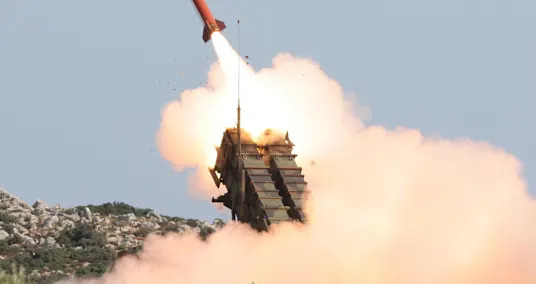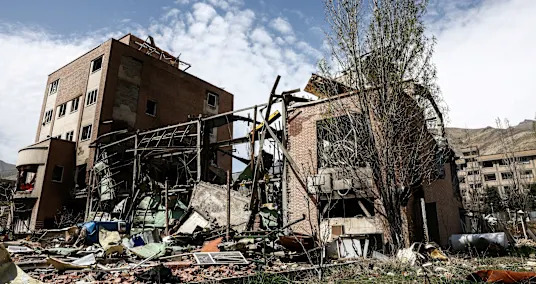
In Tehran, a city of nine million people, schools are closed, businesses are shuttered or struggling, and locals are living without a functioning air-raid warning system or public shelters. In many areas, the first sign of an incoming strike is the explosion itself.
There have been twice as many US and Israeli attacks on Iran compared to the number of Iranian retaliatory strikes since the war began — and the numbers killed in Iran have been orders of magnitude greater than in the neighboring Gulf states. A nationwide internet blackout, now entering its second month, has left civilians unable to access information about safety, shelter, and food and has meant some are unable to work. But while millions have fled Iran’s cities, many more are staying where they are. Some residents are hoping the US and Israeli bombs will cause the regime to collapse; others are left wondering if they are at risk if their neighbors are targeted.
For the many Iranians with ties to Dubai, there are other pressures, with Iranian nationals now barred from entering or transiting through the UAE. Residency permits, even for those with long-term Golden Visas, are reportedly being revoked without notice.

latest_posts
- 1
 Satellite space quiz: What's orbiting Earth?
 - 2An Extended time of Self-Reflection: Self-awareness through Journaling
- 3The teen queen bee of 'Laguna Beach' is now a 'cringey' mom
- 4Agios Pharma shares jump as US FDA expands approval for its blood disorder drug
- 5Bayer sues COVID vaccine makers over mRNA technology





- 'Euphoria' Season 3 trailer includes Eric Dane's final appearance, Jacob Elordi and Sydney Sweeney at the altar and Zendaya's 'Breaking Bad' era
- James Webb Space Telescope finds strongest evidence yet for atmosphere around rocky exoplanet: 'It's really like a wet lava ball'
- NATO official says members often aren't buying weapons together, and it's a mistake
- A top Marine shares his secrets to keeping fit at 50
- Make your choice for the bird that catches your heart!
- Japan prepares to restart world's biggest nuclear plant, 15 years after Fukushima
- All the ways Marjorie Taylor Greene has shifted her approach lately — and why Trump is 'surprised at her'
- Computerized Moderation: Tracking down Equilibrium in the Advanced Age
- Sound and Delightful: 12 Nutritious Smoothie Recipes